
Description
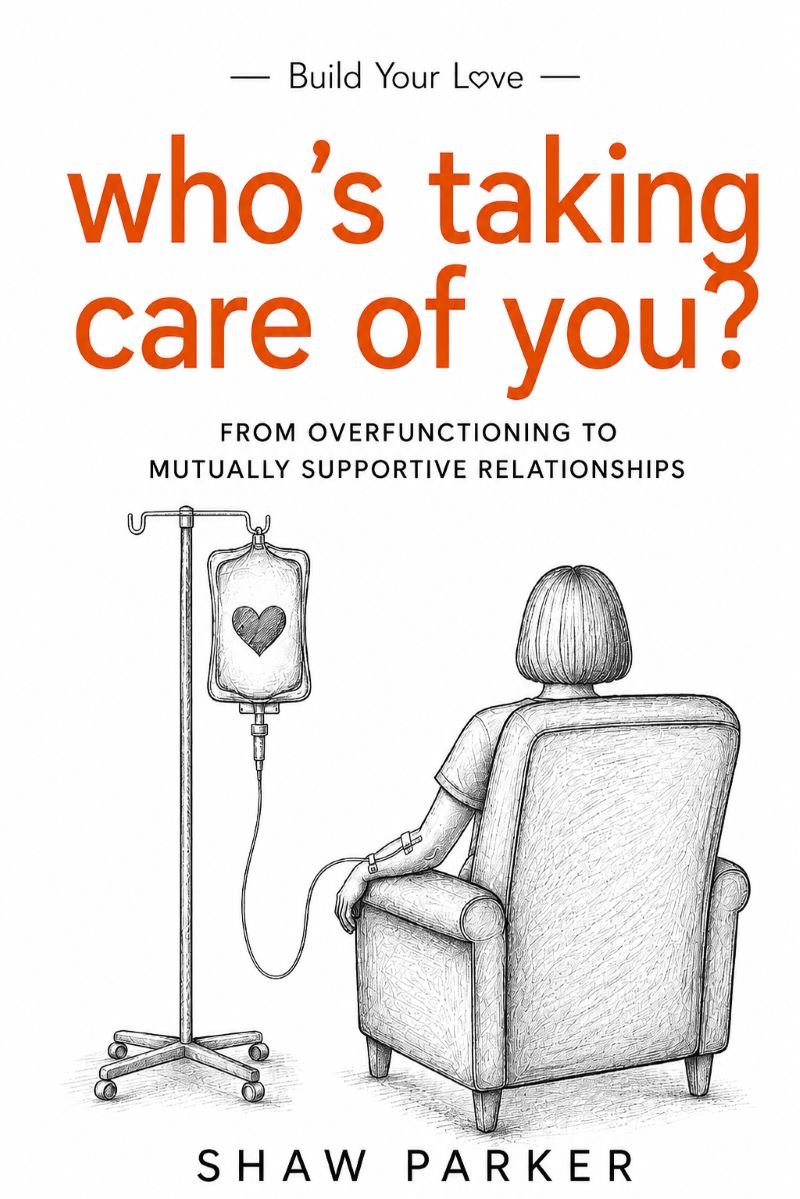
Who’s Taking Care of You? is for the person who always seems to be the strong one—the helper, the fixer, the emotional caretaker—but secretly wonders why love feels so exhausting.
If you keep attracting partners who need rescuing, feel responsible for everyone else’s emotions, or struggle to receive the same care you freely give, you may be repeating a role you learned long before your first relationship.
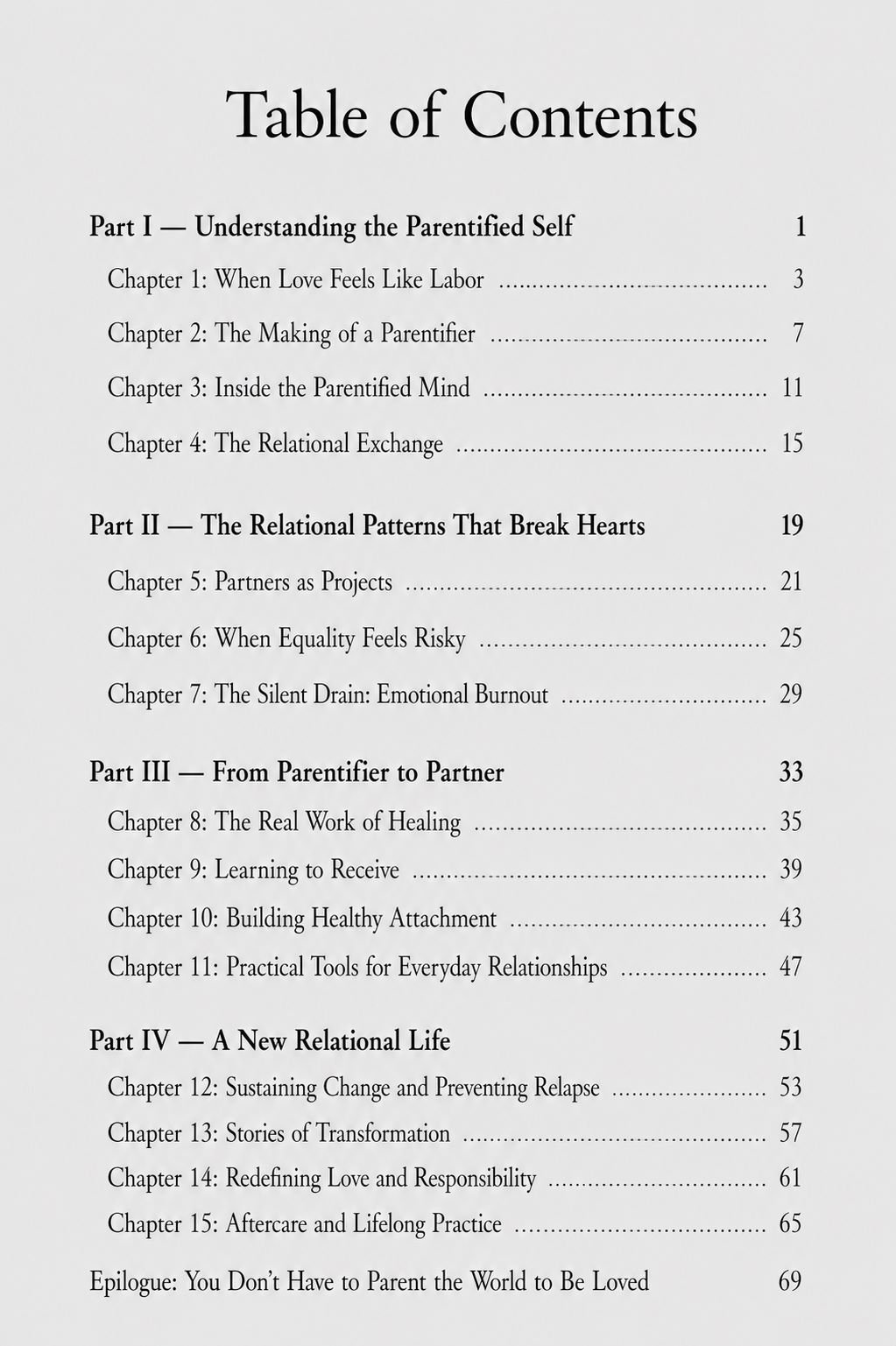
Uncover how childhood patterns of parentification shape adult love, why overgiving can leave you emotionally depleted, and how to build relationships rooted in mutual support instead of emotional labor.
Discover how to:
- Recognize the hidden patterns that keep you overfunctioning in relationships
- Break the cycle of rescuing, fixing, and emotional overresponsibility
- Set healthy boundaries without guilt or fear
- Learn to receive love, support, and care without discomfort
- Create relationships built on partnership, reciprocity, and emotional security
You don’t have to earn love by carrying everyone else’s burdens. Who’s Taking Care of You? will empower you to stop parenting in your relationships and start experiencing the kind of love that cares for you, too.
About the Author
Shaw Parker has spent years studying the science and psychology of healthy relationships—not because she set out to become an expert, but because she wanted to better understand love herself. Her passion for learning became a passion for sharing, and her work turns research into practical strategies readers can use to build healthier, more connected relationships.




Reviews
There are no reviews yet.